An inbound call-record checklist for operations teams
A useful inbound record is not a longer message. It is a shared set of fields that gives the next team or workflow a clear place to begin.
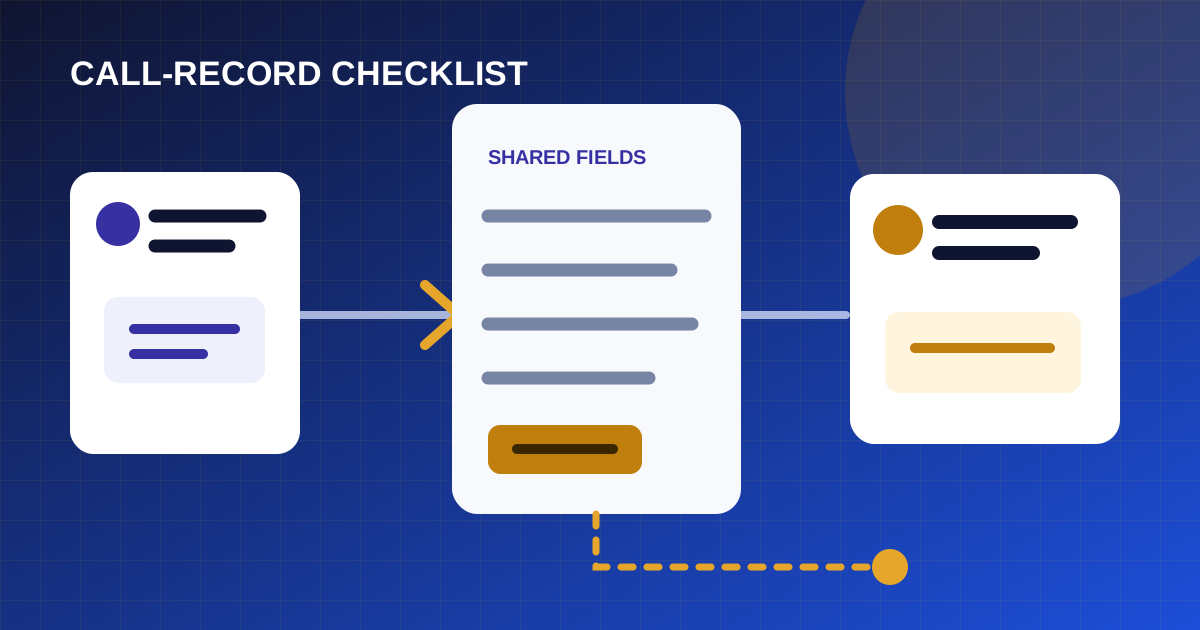
Operations teams often need more from an inbound call than a name and a note. The record should help the next person or process understand why the caller reached out, what was gathered, and what should happen next. That begins with field choices the team can define and use consistently.
Choose fields that change the next action
Start with the context the receiving team needs to interpret the call. Each field should have a purpose: it should clarify the caller’s reason, distinguish a route, or make a next action easier to understand. A field that nobody uses adds work without improving the record.
- the caller’s reason and relevant context;
- the approved field definitions the team can use consistently;
- the detail that changes the next route or owner; and
- a visible status for calls that do not fit the standard path.
Write one definition for each shared field
Two teams can use the same label differently unless the meaning is clear. Agree on what each field represents, when it should be used, and which details belong somewhere else. That creates a shared starting point without promising that every conversation can be reduced to a fixed set of fields.
A record becomes useful when the next team can understand the context behind the next step, not just the text that was entered.
Make the exception state explicit
Some calls will be incomplete, unusual, or outside the standard categories. Marking that state helps the next owner see that another decision is needed. The record can preserve what is known while leaving room for the human judgment that the standard path cannot provide.
Review fields where work actually happens
Look at the record with the teams that use it downstream. If a field does not inform an action, remove or revise it. If a route-changing detail is missing, define it clearly. That keeps the record connected to operations rather than treating data capture as an end in itself.
Lead Data Warehouse helps high-volume teams design structured inbound call records around their actual downstream workflows. See how the process works, read the data-first call FAQ, or talk through your record design.